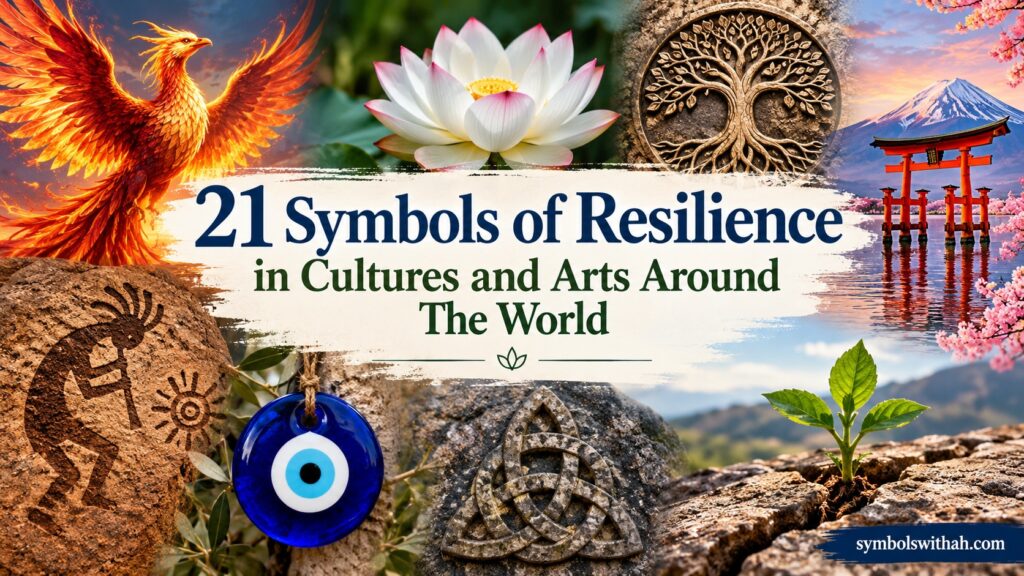

Resilience is the ability to face hardship, adapt to change, and continue moving forward. The 21 symbols of resilience in cultures and arts around the world show how people have expressed this strength through nature, mythology, religious traditions, and creative work. From a flower growing through muddy water to a phoenix rising from ashes, these images turn difficult experiences into meaningful stories.
In the United States, resilience often connects with personal growth, overcoming adversity, community support, and the pursuit of a fresh start. People express these ideas through tattoos, jewelry, memorial artwork, inspirational decorations, and meaningful gifts. However, resilience isn’t always about being tough. Sometimes, it means resting, accepting help, rebuilding relationships, or finding another way forward.
Different cultures express this quality in distinctive ways. Japanese kintsugi celebrates repaired pottery, while the lotus appears in several Asian religious and artistic traditions. Trees, mountains, and butterflies also offer familiar images of endurance and transformation. Understanding their backgrounds helps you choose symbols that reflect your own story without overlooking their cultural significance.
Read More: Butterfly Symbolism: Spiritual Meaning Behind the Animal
Quick Answer
In the United States, 21 symbols of resilience in cultures and arts around the world represent perseverance, healing, courage, adaptability, and renewal. Popular examples include the phoenix, lotus, bamboo, oak tree, mountain, and kintsugi pottery. Their meanings vary across cultures, but each offers a way to express strength through change and adversity.
TL;DR
• The phoenix represents renewal after loss and difficult experiences.
• The lotus symbolizes growth and beauty amid challenging circumstances.
• Bamboo represents flexibility, adaptability, and the ability to bend without breaking.
• Kintsugi celebrates repair, history, and beauty after damage.
• Mountains and oak trees represent endurance, stability, and inner strength.
• Tattoos and artwork help people express personal stories of resilience.
What Makes a Symbol Represent Resilience?
A resilience symbol communicates more than physical strength. It often represents the process of surviving difficulty, adjusting to change, and discovering meaning afterward. In American culture, these ideas connect with personal identity, family history, recovery, and hope.
Three Core Meanings
Most resilience symbols express one or more of these ideas:
• Endurance: Continuing through difficult circumstances without losing sight of what matters.
• Transformation: Becoming different after a challenging experience or major life change.
• Renewal: Beginning again while carrying lessons from the past.
A mountain, for example, suggests stability because it withstands changing weather. A butterfly emphasizes transformation, while a repaired bowl acknowledges that damage happened. These differences help explain why people choose particular symbols for tattoos, artwork, or personal keepsakes.
Historical Roots of Resilience Symbols
Humans have used stories, objects, animals, and plants to explain survival for thousands of years. Before modern psychology developed its language for resilience, communities often expressed endurance through creation myths, religious art, seasonal cycles, and heroic tales.
Ancient Stories and Natural Images
Ancient civilizations observed how living things survived harsh conditions. Trees outlasted storms, seeds returned after winter, and the sun appeared again after darkness. These recurring patterns provided powerful ways to express hope.
Mythological creatures offered another approach. The phoenix became associated with renewal through stories of death and rebirth, while ancient Egyptian imagery connected the scarab beetle with the rising sun and renewal. Over time, these images traveled through literature, decorative arts, religious traditions, and popular storytelling.
How Artistic Traditions Preserved Meaning
Artists also preserved ideas about resilience through materials and techniques. Japanese pottery repair, Chinese landscape painting, and European religious imagery each developed distinct visual languages.
However, these traditions don’t all communicate the same message. Some celebrate recovery, others emphasize patience, and still others portray spiritual transformation or steadfast faith.
21 Powerful Symbols of Resilience in Cultures and Arts Around the World
The following 21 symbols offer different ways to understand perseverance, adaptation, and renewal. Their meanings depend on cultural background and personal experience, so no single interpretation applies everywhere.

1. The Phoenix — Rebirth After Hardship
The phoenix is a legendary bird associated with death, fire, and renewal. In familiar versions of the myth, it rises again after burning, making it a powerful image of starting over.
In the United States, people often choose phoenix tattoos after major life changes, personal losses, or difficult periods. Its message is not that hardship never happened, but that another chapter remains possible.
2. The Lotus — Growth Through Adversity
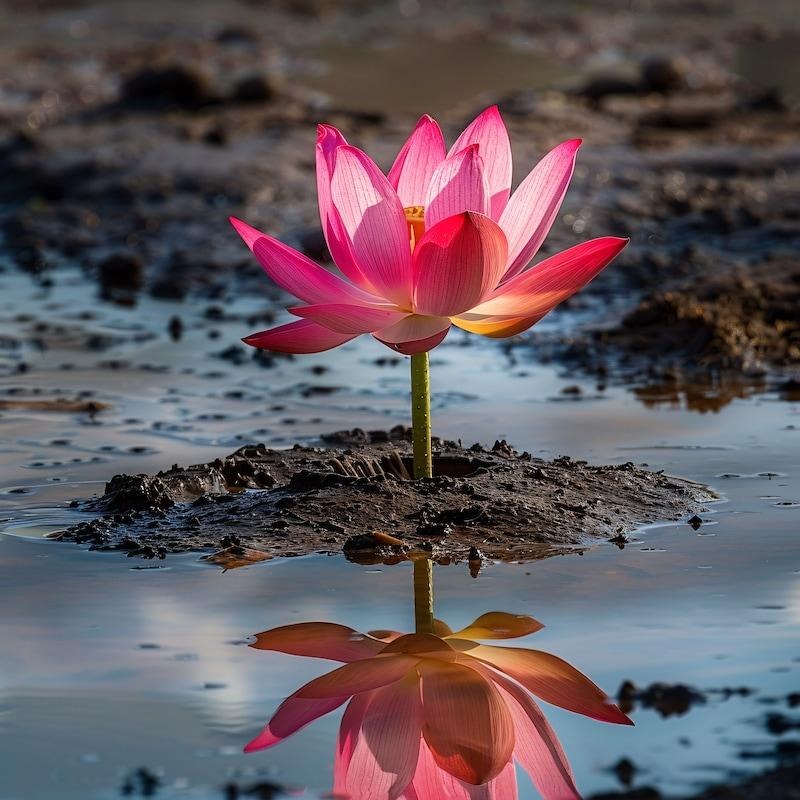
The lotus grows in muddy water yet produces an elegant flower. In Buddhist traditions, it is closely associated with purity, enlightenment, and spiritual awakening.
Its resilience meaning comes from the contrast between its environment and its bloom. Today, lotus jewelry, paintings, and tattoos can represent personal growth, inner peace, and the ability to remain grounded during difficult times.
3. Bamboo — Flexibility and Adaptability
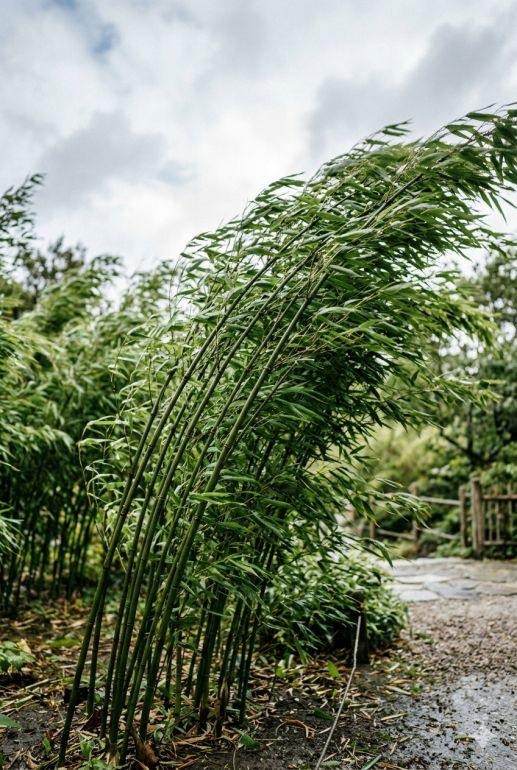
Bamboo bends in strong winds rather than behaving like a rigid structure. This makes it a natural metaphor for adapting without surrendering one’s essential values.
In East Asian art and philosophy, bamboo can express integrity, humility, and endurance. For American readers, it offers a useful reminder that resilience sometimes means changing your approach instead of fighting every obstacle.
4. Kintsugi — Beauty in Repair
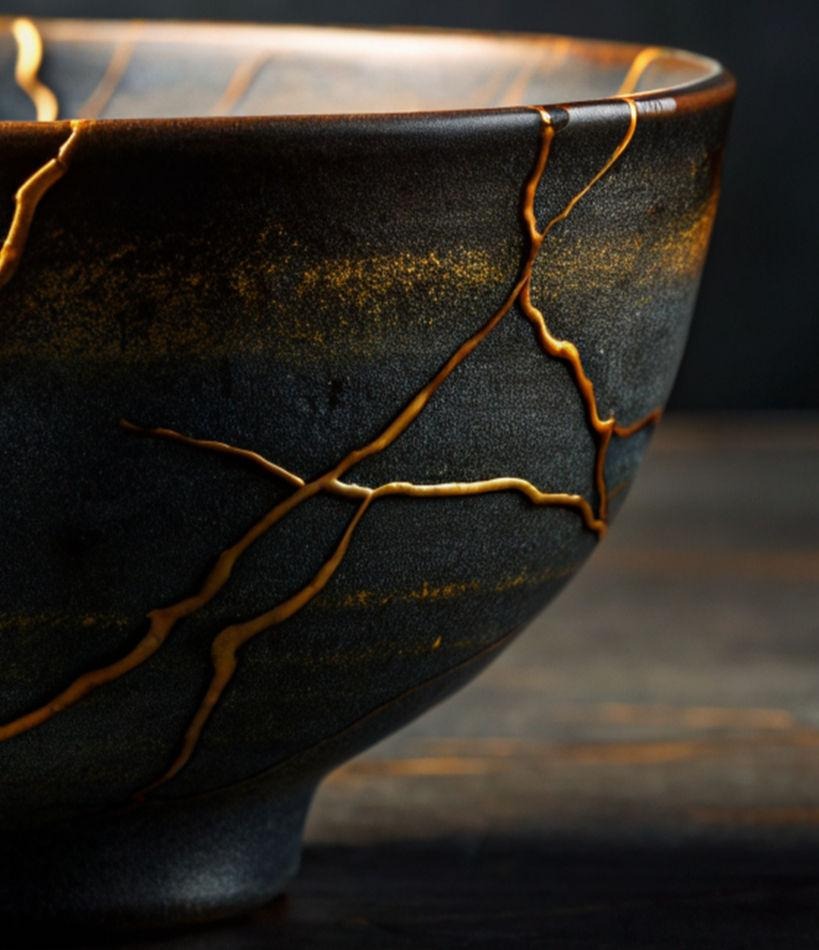
Kintsugi is a Japanese craft that repairs broken pottery using lacquer, often finished with gold-colored or other metallic powder. Rather than disguising every fracture, the repair makes the object’s history visible.
As a resilience symbol, it suggests that damage doesn’t erase value. It has become popular in American art, home decor, and tattoos as an image of healing that honors the past rather than pretending it never happened.
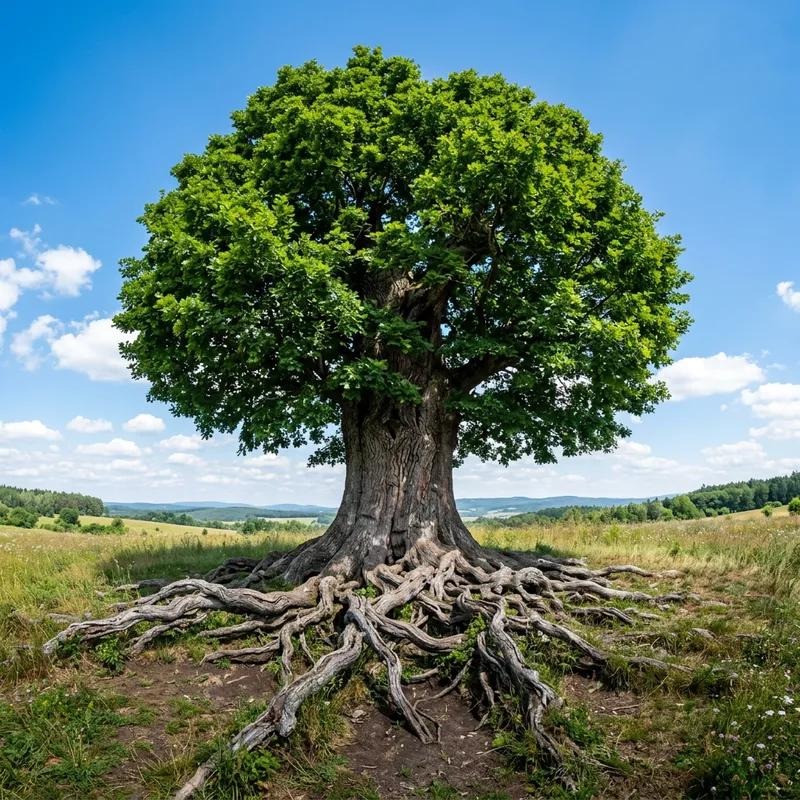
5. The Oak Tree — Strength and Stability
The oak tree grows slowly, develops deep roots, and can live for centuries. Its thick trunk and spreading branches make it an enduring image of strength, protection, and continuity.
In American life, oak imagery appears in family emblems, memorial designs, parks, and landscape art. An oak tattoo may honor a parent, represent family roots, or express the determination to remain steady through changing circumstances.

6. The Mountain — Endurance and Determination
Mountains stand through storms, seasonal changes, and shifting temperatures. They often symbolize challenges that require patience, courage, and sustained effort.
In the United States, mountain imagery is common in outdoor culture, travel art, and motivational designs. A mountain tattoo can mark a personal milestone or remind someone that meaningful progress often happens one difficult step at a time.
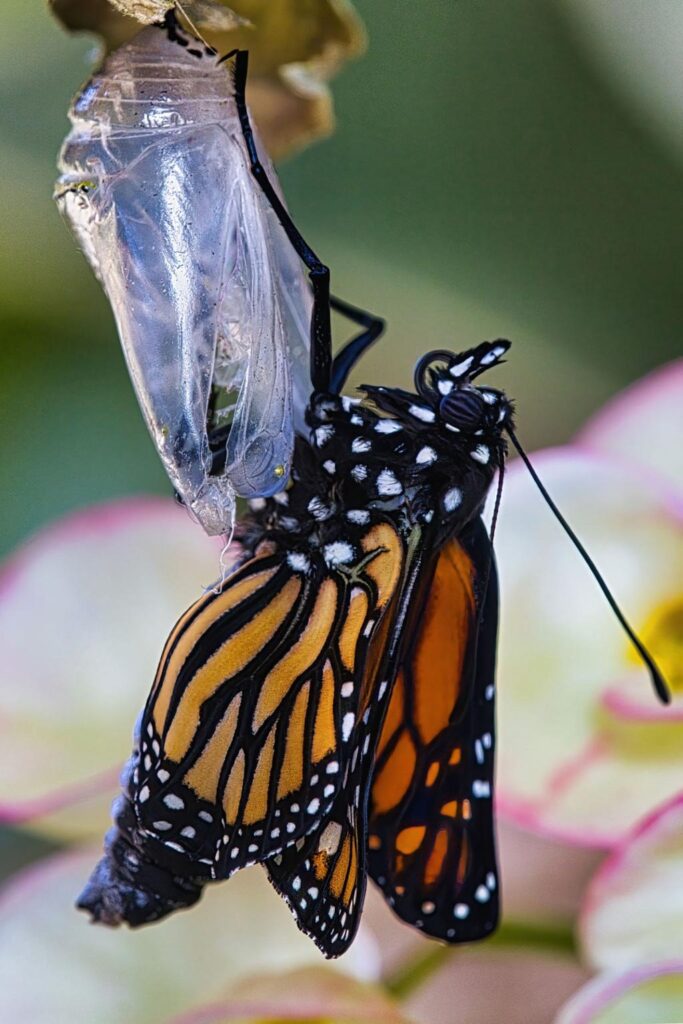
7. The Butterfly — Transformation and Renewal
A butterfly’s life cycle involves a dramatic change in form. That transformation has made butterflies familiar symbols of personal development, freedom, and new beginnings.
In American memorial art and personal tattoos, butterflies can honor someone who has died or represent a changed outlook on life. Their meaning isn’t always about overcoming suffering; sometimes, they simply celebrate becoming more fully yourself.
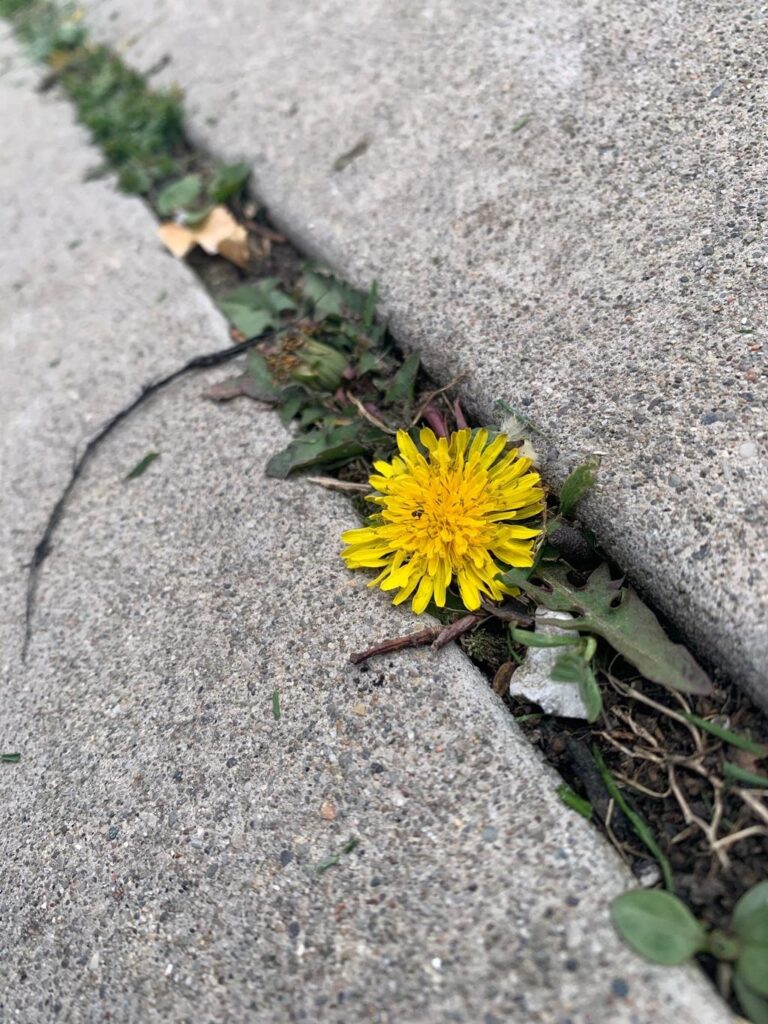
8. The Dandelion — Persistence in Difficult Places
Dandelions can grow in disturbed soil and narrow pavement cracks. Their ability to spread seeds widely makes them useful images of persistence and hope.
In contemporary American illustrations and tattoos, a dandelion may represent freedom, survival, or the courage to begin in an imperfect environment. It also reminds us that small beginnings can still lead to growth.
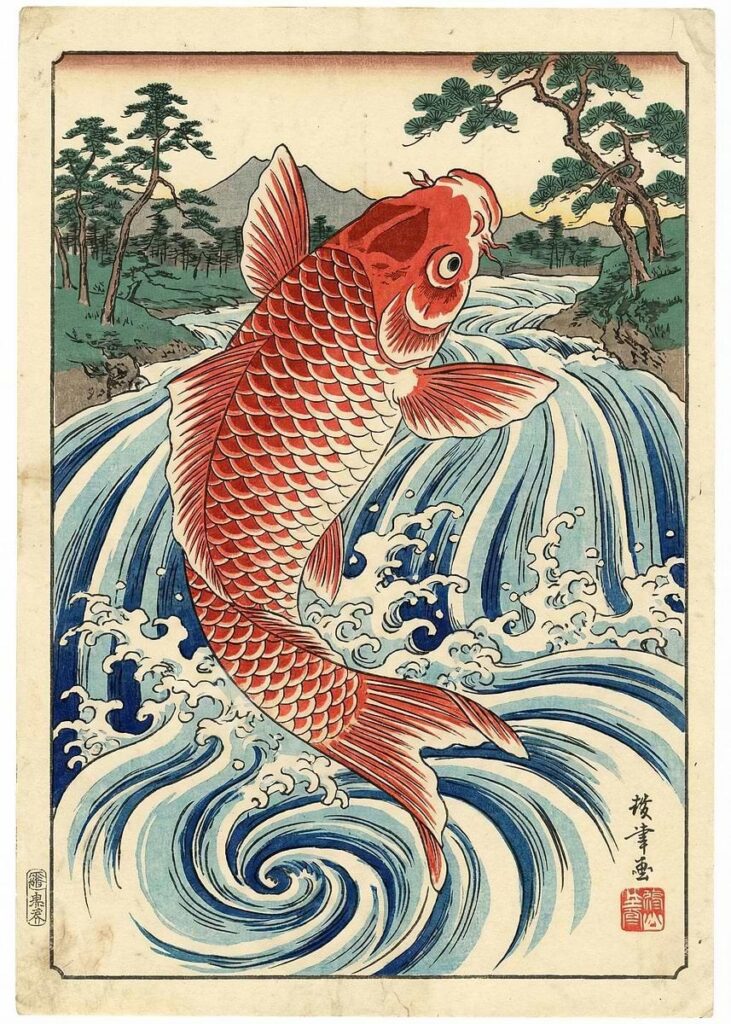
9. The Koi Fish — Perseverance Against Resistance
Koi are prominent in East Asian art and garden traditions. Their association with determination is especially familiar in Japanese stories about koi overcoming powerful currents.
In the United States, koi tattoos and paintings often express ambition, courage, and the willingness to keep moving against resistance. The symbol works especially well for people who value persistence over quick success.

10. The Sea Turtle — Patience and Long-Term Survival
Sea turtles travel vast distances, navigate changing environments, and return to nesting beaches. Their lives evoke patience, endurance, and connection to the natural world.
Turtle meanings differ among Indigenous and other cultural traditions, so they shouldn’t be treated as universal. In American coastal art and personal jewelry, sea turtles can express a steady approach to life and respect for nature.
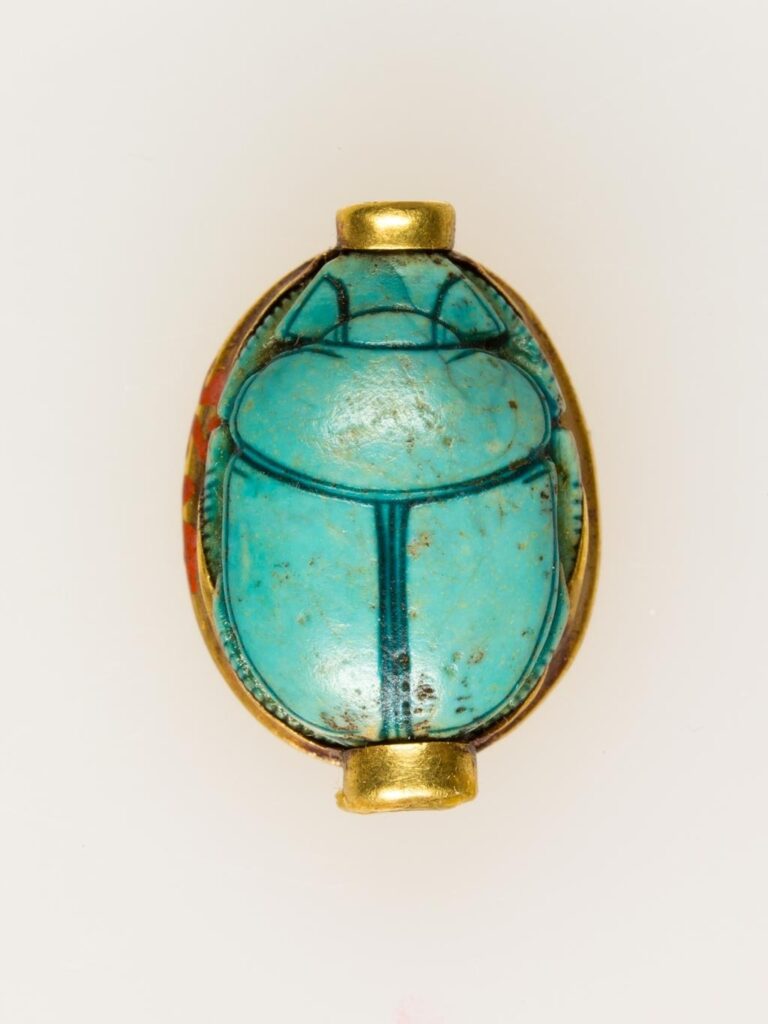
11. The Scarab — Renewal and the Return of Light
In ancient Egyptian religion, the scarab beetle was connected with the sun god Khepri and the sun’s daily renewal. Scarab amulets appeared in jewelry, burial objects, and other forms of Egyptian art.
Its resilience meaning centers on renewal and life’s continuing cycles. Today, scarab-inspired jewelry and artwork can appeal to people interested in ancient history, transformation, and the idea of beginning again.
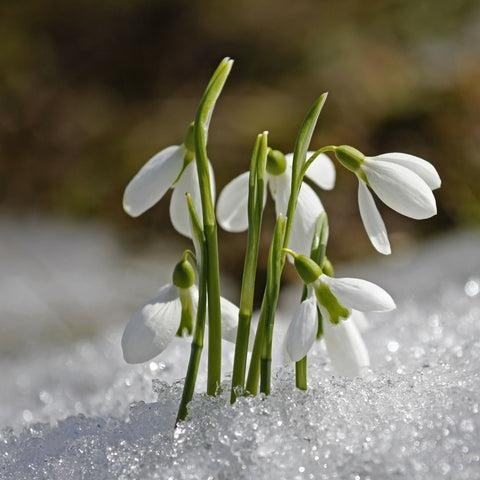
12. The Snowdrop — Hope After a Hard Season
Snowdrops often bloom near the end of winter, sometimes emerging while snow remains on the ground. Their early flowers have made them symbols of hope, renewal, and the return of life.
In American floral arrangements and seasonal art, snowdrops can communicate quiet encouragement. They’re especially fitting when someone wants to acknowledge a difficult period without using an overly dramatic image.
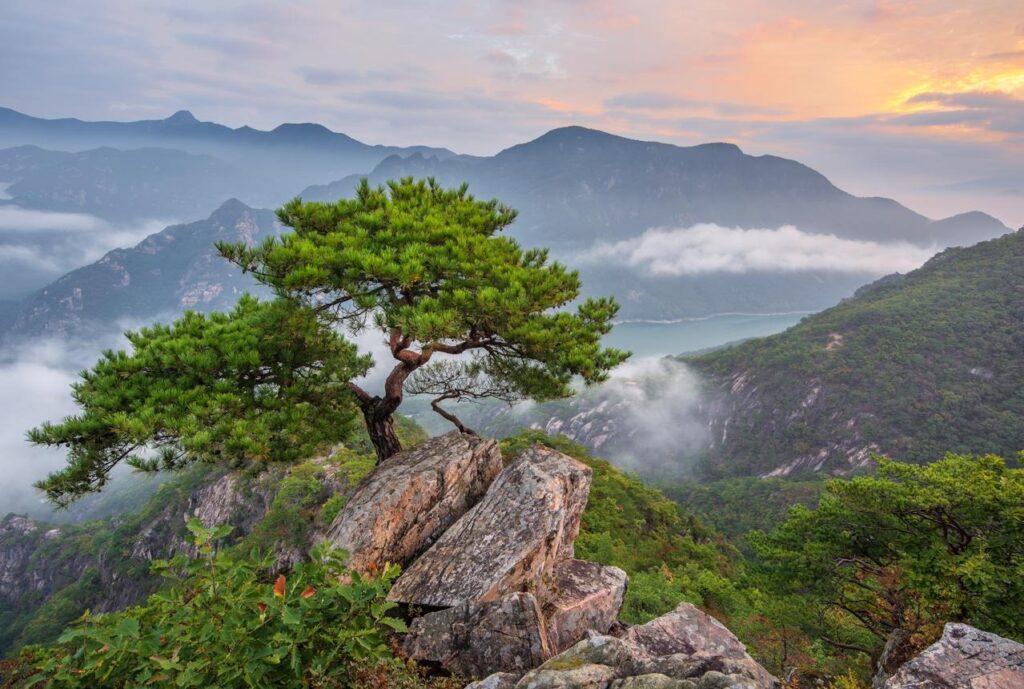
13. The Pine Tree — Endurance Through Changing Seasons
Many pine trees remain green throughout the winter. Their ability to withstand cold weather makes them familiar symbols of constancy, longevity, and perseverance.
Pine imagery also appears in East Asian painting and poetry, where it can suggest integrity and steadfastness. In American designs, a pine tree may represent wilderness, a lasting bond with nature, or the strength to continue through an uncomfortable season.
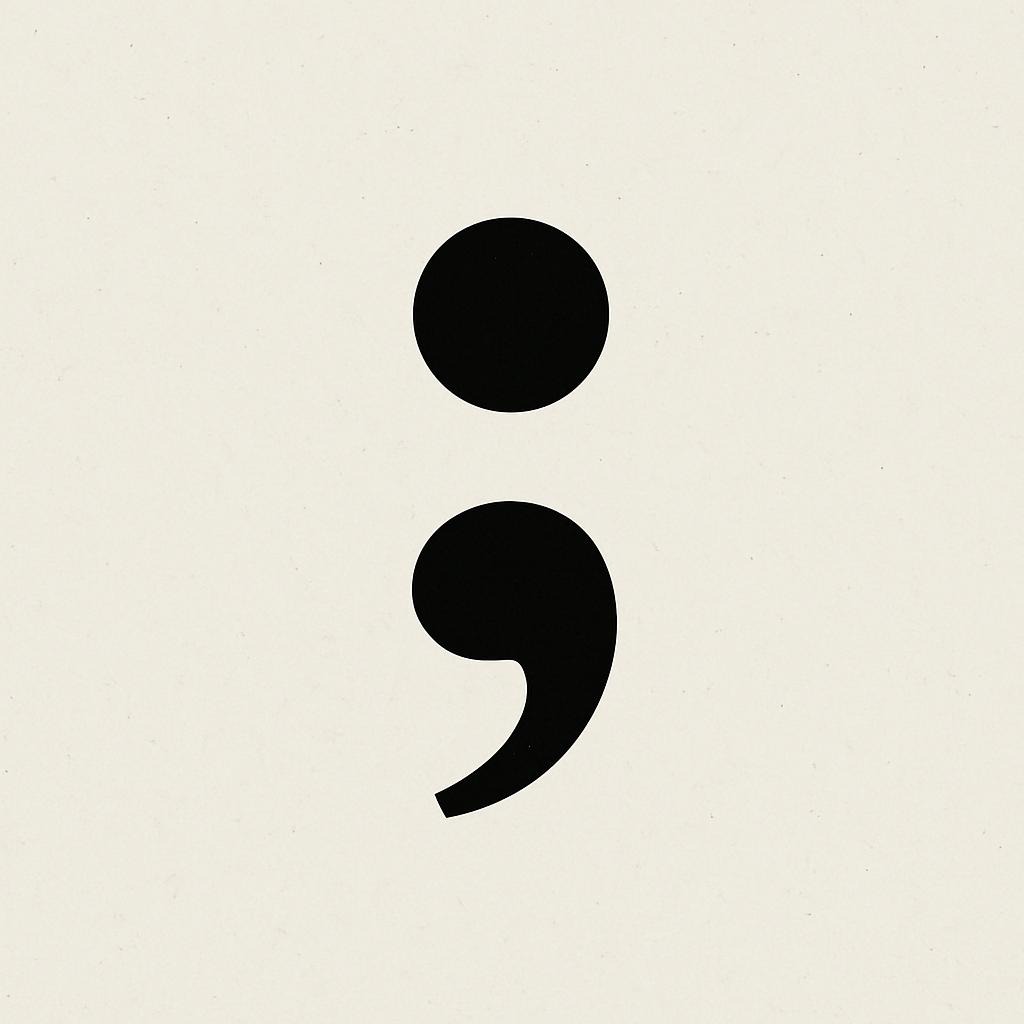
14. The Semicolon — A Story That Continues
A semicolon connects related clauses when a writer could have ended a sentence. In modern American mental health awareness, it has become a symbol of continuing a life story through difficult moments.
The Project Semicolon movement helped popularize the mark during the 2010s. Semicolon tattoos may represent survival, hope, or solidarity, although the symbol’s personal meaning varies. It’s best to let people explain their own tattoos rather than assume their experiences.
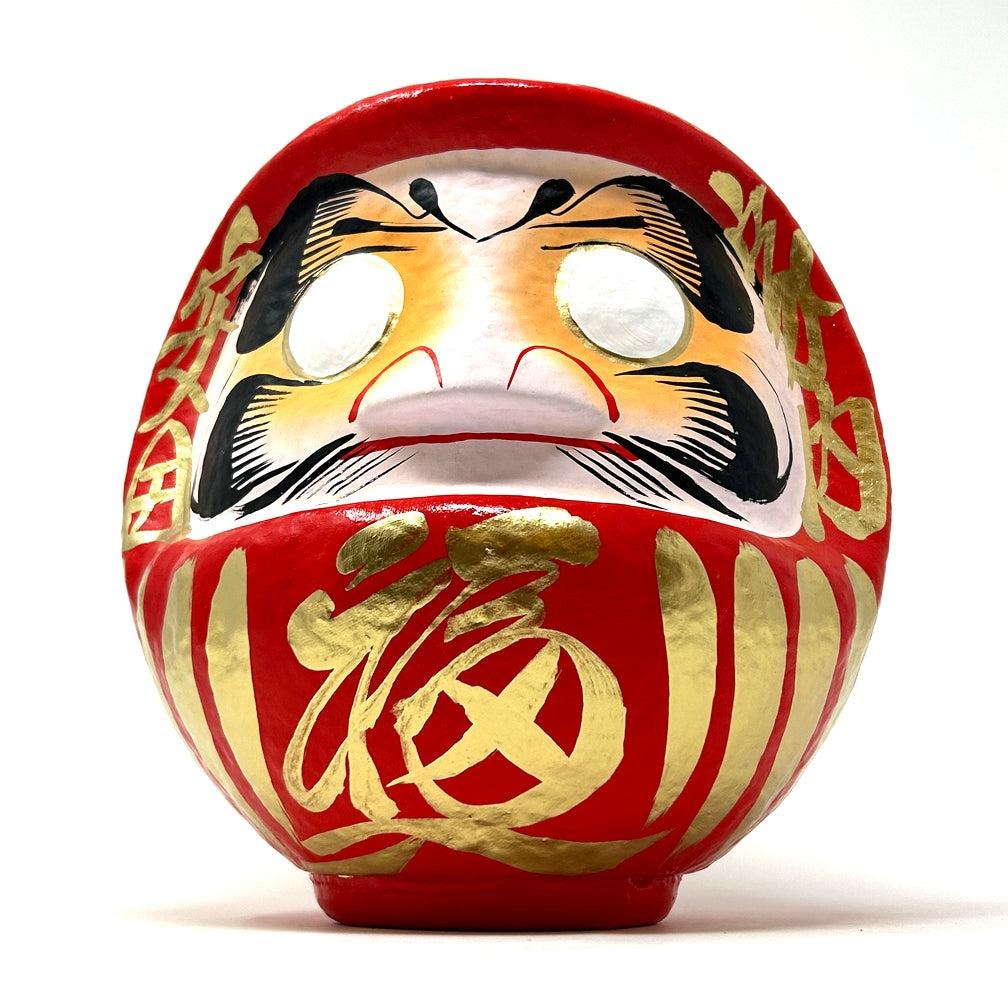
15. The Daruma Doll — Persistence Toward a Goal
The Daruma doll is a traditional Japanese figure associated with perseverance and good fortune. Its rounded design allows it to return upright when tipped, making it a visual reminder to keep trying.
Traditionally, people often paint in one eye when setting a goal and the other when completing it. In American offices and homes, Daruma dolls can serve as reminders of a commitment, provided their cultural background is respected.
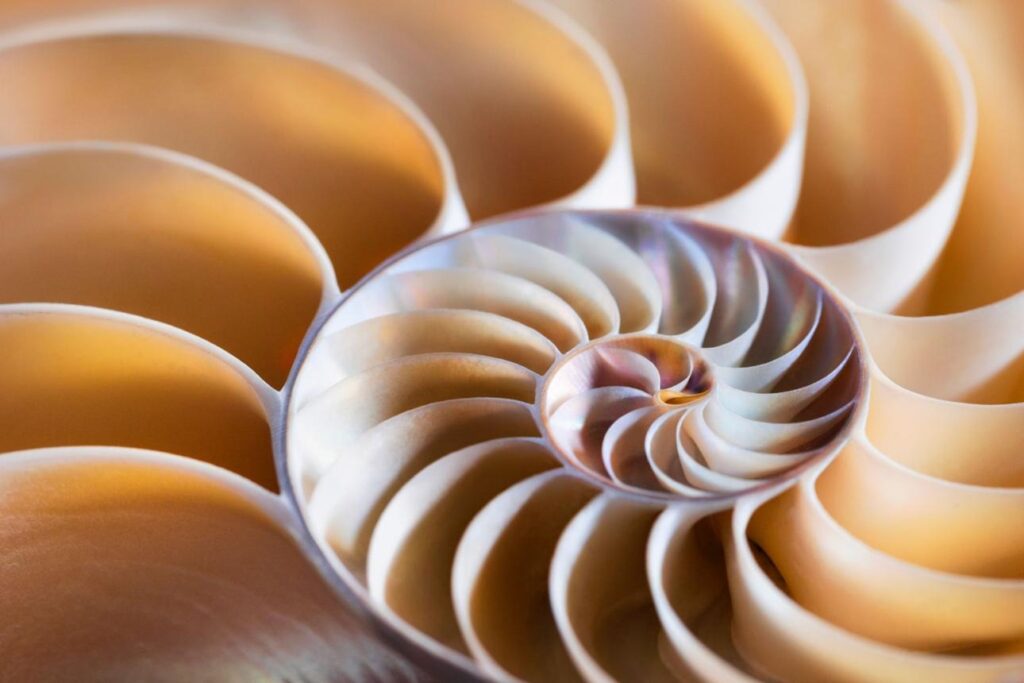
16. The Spiral — Growth Through Repeating Cycles
Spirals appear in ancient rock art, architecture, decorative objects, and patterns found in nature. Depending on the tradition, they can suggest movement, continuity, development, or the cycles of life.
In contemporary art and jewelry, a spiral can represent progress that isn’t perfectly straight. It suits the idea that personal growth may involve revisiting old challenges with new understanding.
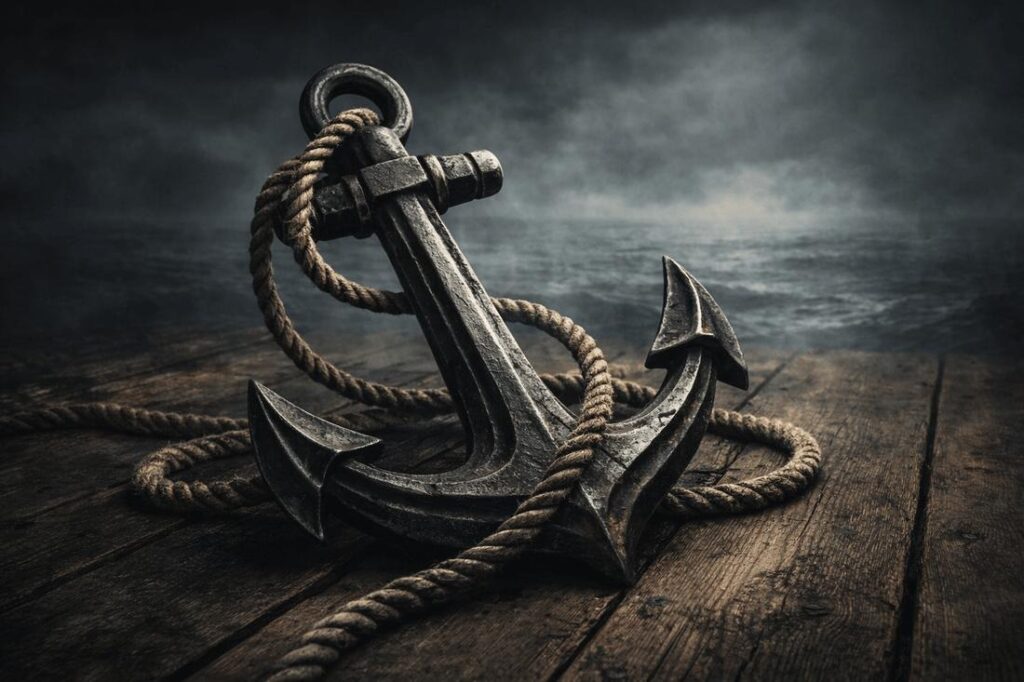
17. The Anchor — Staying Grounded During Storms
An anchor keeps a vessel from drifting in certain conditions. It therefore symbolizes stability, security, and connection to something dependable.
In American maritime and Christian imagery, anchors can carry both practical and spiritual meanings. Anchor tattoos may honor family, faith, or a person who offered support during a difficult chapter.
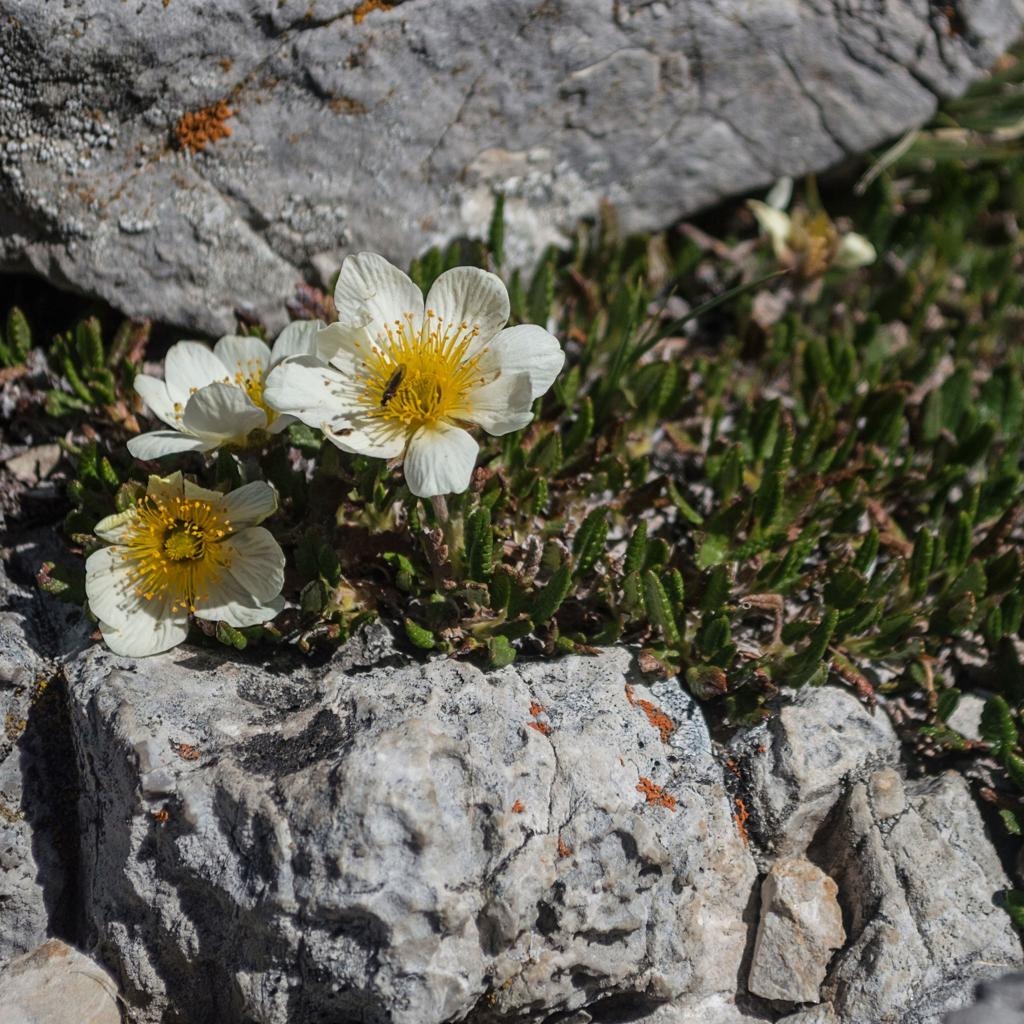
18. The Alpine Wildflower — Thriving Against the Odds
Alpine wildflowers grow in environments with thin soils, strong winds, and short growing seasons. Their delicate appearance contrasts with the demanding conditions in which they survive.
In contemporary botanical art, these flowers can represent courage, individuality, and hope in unlikely places. They offer a softer alternative to symbols built around warriors, weapons, or dramatic battles.
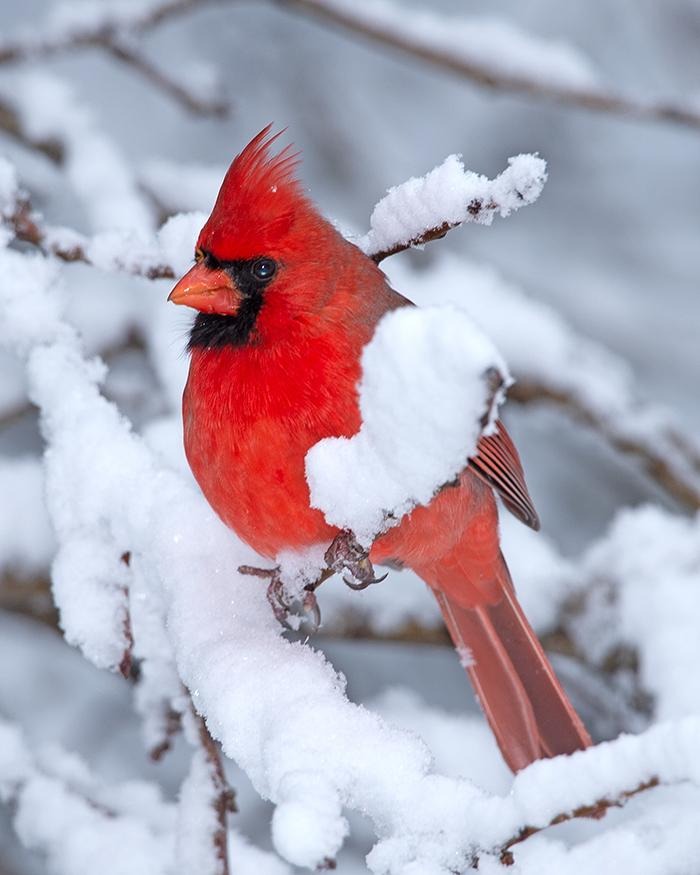
19. The Cardinal — Vitality in Difficult Times
Cardinals are striking birds, and their bright red plumage stands out against winter landscapes. In American popular culture, some people associate cardinals with remembrance, comfort, or the presence of a loved one.
These meanings are personal and aren’t universal beliefs. As a resilience symbol, a cardinal can express vitality, warmth, and the desire to keep finding color during a difficult season.
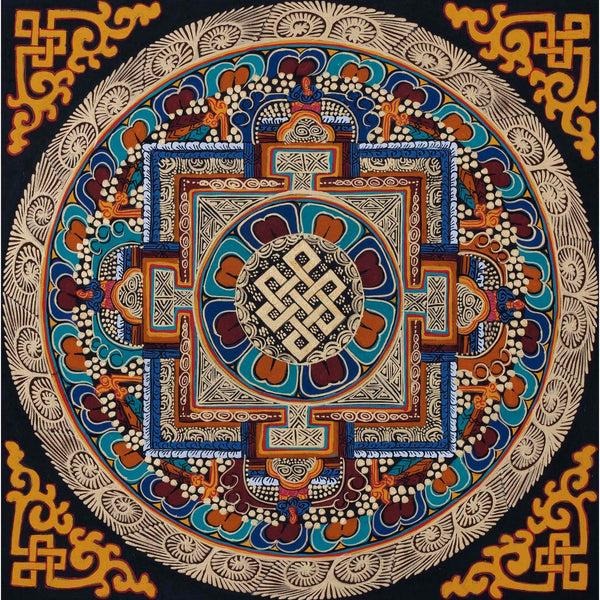
20. The Endless Knot — Connection and Continuity
The endless knot is a traditional Buddhist symbol formed from interwoven lines without a clear beginning or end. It can express interconnectedness, continuity, and the complex relationship between actions and outcomes.
For resilience, it suggests that difficult experiences are part of a larger web of relationships and lessons. Its spiritual context matters, so it’s worth learning about its Buddhist significance before using it as decoration or body art.
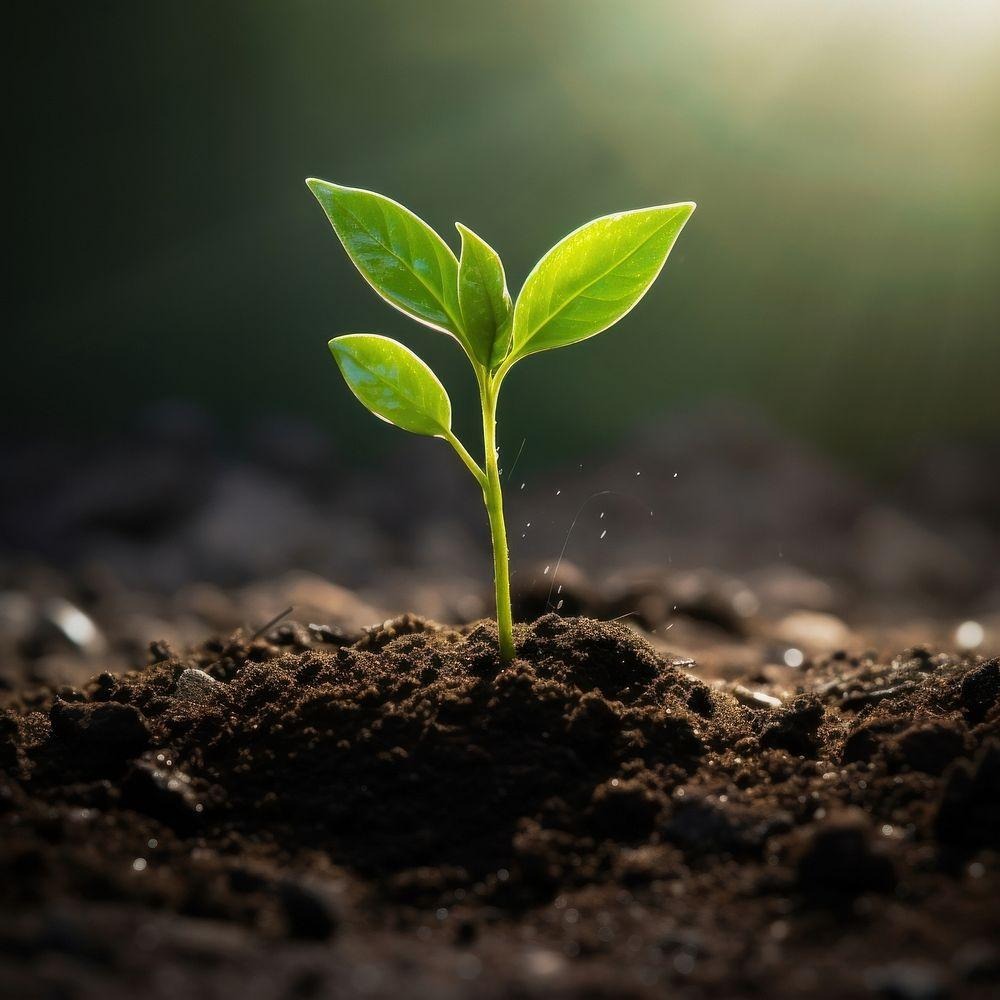
21. The Seedling — A Fresh Start
A seedling represents new growth and the early stages of a living thing’s development. It needs suitable conditions and time, making it a reminder that progress doesn’t happen all at once.
In American art, gardens, and personal keepsakes, a seedling can symbolize recovery, learning, or a new stage of life. Unlike images of victory, it celebrates the courage to begin before the outcome is certain.
How Resilience Symbols Differ Across Cultures
Resilience is widely understood, but cultures express it through different histories, beliefs, and artistic traditions. Comparing these differences helps American readers appreciate the original meanings instead of treating every symbol as interchangeable.
Cultural Meanings at a Glance
| Symbol or tradition | Cultural background | Common resilience association | Important context |
| Lotus | Buddhist and other Asian artistic traditions | Purity, awakening, growth | Often has sacred religious significance |
| Kintsugi | Japan | Repair and visible history | A specific craft, not just a decorative gold pattern |
| Scarab | Ancient Egypt | Renewal and the sun’s cycle | Rooted in Egyptian religious imagery |
| Daruma doll | Japan | Persistence toward a goal | Connected with Japanese Buddhist traditions and customs |
| Endless knot | Buddhist traditions | Interconnection and continuity | A sacred symbol with multiple layers of meaning |
| Semicolon | Modern American mental health awareness | Continuing a life story | Personal experiences and interpretations differ |
Why Context Matters
A symbol can change meaning when it moves between cultures. For example, a lotus used in a Buddhist image may communicate sacred ideas, while the same flower on a modern greeting card may simply represent growth.
Neither use automatically tells the whole story. Learning a symbol’s origin helps you appreciate what it means to the people and communities who have preserved it.
The Meaning of Resilience Symbols in the United States
In the United States, resilience is closely tied to stories of personal reinvention, community recovery, and overcoming setbacks. From family heirlooms to public memorials, symbols help people communicate experiences that may be difficult to explain in words.
American Ideas of Strength and Renewal
American culture often celebrates determination, independence, and the ability to begin again. These values appear in sports stories, biographies, films, and accounts of communities rebuilding after disasters.
However, resilience isn’t limited to individual achievement. Neighbors helping after a storm, families supporting one another, and communities preserving their histories also demonstrate collective resilience.
Symbols in Everyday American Life
• Veterans and service members may use anchors, eagles, or other meaningful emblems to express duty and perseverance.
• Survivors sometimes choose phoenixes, butterflies, or semicolons to mark personal milestones.
• Families may plant trees to remember loved ones or celebrate new beginnings.
• Memorial artists use flowers, roots, and light to express remembrance alongside hope.
• Community murals often portray rebuilding, solidarity, and the determination to create a better future.
These uses reflect a broad American understanding of resilience. Still, no symbol has one fixed meaning for every person who encounters it.
Cross-Cultural and Spiritual Meanings of Resilience
Across the world, resilience can represent physical survival, spiritual discipline, harmony with nature, or the ability to endure change. These themes sometimes overlap, but the traditions expressing them have distinct beliefs and histories.
Asian Spiritual and Artistic Traditions
In Buddhist art, the lotus can represent purity and awakening despite the conditions from which it grows. Bamboo, meanwhile, has a long place in East Asian artistic traditions, where it can express flexibility and integrity.
Japanese kintsugi offers a different perspective. Rather than focusing only on overcoming adversity, it emphasizes the value of acknowledging damage and repairing what remains.
Ancient Mediterranean and Egyptian Traditions
The phoenix appears in ancient Mediterranean accounts of renewal, although its stories changed across different writers and periods. Its familiar modern meaning draws heavily on the idea of returning after destruction.
In ancient Egypt, the scarab was linked with the sun’s movement and renewal. This connection made it an important image in religious objects and amulets, not merely a general sign of personal strength.
Respecting Different Traditions
Some resilience symbols carry religious or community-specific meaning. Their use deserves care, especially when sacred imagery is removed from its original setting.
• Learn the symbol’s historical background before using it in permanent body art.
• Distinguish documented cultural meanings from modern personal interpretations.
• Avoid treating diverse Indigenous traditions as one shared belief system.
• Recognize that people within the same culture may interpret symbols differently.
Respectful interpretation makes these symbols more meaningful rather than less accessible.
The Emotional and Psychological Meaning of Resilience Symbols
Resilience symbols often help people express feelings that are difficult to put into words. A small tattoo, a framed illustration, or a meaningful object can become a reminder of what someone has survived and what they value.
How Symbols Connect With Personal Identity
A person who chooses an oak tree may value stability and family connections. Someone who prefers bamboo might identify more strongly with flexibility and adaptation.
These choices can also change as life changes. A symbol that once represented survival might later represent acceptance, confidence, or a renewed sense of purpose.
Why Visual Reminders Can Feel Powerful
Symbols offer simple images for complicated experiences. Seeing a familiar reminder may encourage reflection, reinforce a personal commitment, or help someone explain their story to others.
However, a symbol doesn’t guarantee emotional recovery or replace practical support. Its value often comes from the personal meaning someone gives it and the memories attached to it.
Resilience Doesn’t Mean Never Struggling
One common misconception is that resilient people remain positive at all times. In reality, resilience can include uncertainty, grief, rest, asking for help, and changing direction.
A repaired bowl may express this idea better than an image of perfect strength. It acknowledges the break while showing that repair and continued value are still possible.
How Resilience Symbols Appear in Modern Art and Everyday Life
Artists continue to adapt older symbols for modern audiences. Some preserve traditional designs, while others combine familiar images to tell new stories about identity, recovery, and change.
Tattoos and Personal Jewelry
Tattoos offer a lasting way to mark an experience or commitment. Phoenixes, semicolons, mountains, and lotus flowers are popular choices for people seeking images associated with endurance or transformation.
Jewelry can serve a similar purpose without being permanent. A small anchor, seedling pendant, or tree design might remind someone of a loved one, a goal, or a difficult period they have moved through.
Home Decor and Meaningful Gifts
Resilience imagery also appears in framed prints, garden ornaments, ceramics, and handmade gifts. These objects can make a personal space feel connected to a particular memory or value.
For example, a repaired ceramic bowl may be a thoughtful gift after a major life transition. A living plant might celebrate a fresh start, while a mountain print could honor a hard-earned achievement.
Social Media and Digital Expression
Online, resilience symbols help people communicate personal experiences without sharing every detail. A semicolon, butterfly, or phoenix can signal hope, change, or remembrance.
However, digital interpretations often simplify older traditions. A symbol used casually online may have a much deeper religious, historical, or personal meaning to someone else.
Misunderstandings and Controversies Around Resilience Symbols
Not every image associated with strength has the same history or meaning. Some symbols have been commercialized, separated from their cultural roots, or given new meanings that differ from traditional uses.
When Cultural Symbols Become Decorative Trends
A design may become popular because it looks attractive, even when its original meaning is unfamiliar to buyers. This can happen with sacred motifs, traditional amulets, and culturally specific artistic patterns.
Using a symbol isn’t automatically disrespectful. However, learning its background and avoiding misleading claims can help people make more thoughtful choices.
When Strength Becomes an Unfair Expectation
Resilience language can sometimes put pressure on people to recover quickly or handle hardship alone. That expectation overlooks the role of rest, social support, accessible resources, and time.
A symbol should encourage people rather than judge them. Someone who needs help isn’t less resilient than someone who appears to manage everything independently.
Distinguishing Traditional Meaning From Modern Interpretation
A phoenix has a long mythological history, but its use as a personal recovery symbol is a modern interpretation of older stories. Similarly, the semicolon developed a specific contemporary connection with mental health awareness.
These meanings can coexist. The important distinction is between documented cultural history and the meaning a person chooses to give a symbol today.
How the Meaning of Resilience Symbols Has Changed Over Time
Symbols rarely keep exactly the same meaning across centuries. As stories travel, societies change, and new forms of art develop, familiar images acquire additional interpretations.
From Sacred Objects to Personal Expression
In ancient societies, symbols often appeared in religious ceremonies, burial objects, public monuments, and traditional artworks. Their meanings were shaped by shared beliefs and community practices.
Today, many people use similar imagery to tell personal stories. A scarab might interest someone because of ancient Egyptian history, while a phoenix tattoo might commemorate recovery after a major life change.
The Rise of Modern Resilience Symbols
Some symbols gained their present meanings relatively recently. The semicolon, for instance, became widely associated with mental health awareness through contemporary activism.
Social media has also helped traditional and newer symbols reach broader audiences. As a result, resilience imagery now appears in digital illustrations, personal profiles, awareness campaigns, and everyday fashion.
What Has Stayed the Same?
Despite these changes, several themes remain recognizable:
• Nature continues to offer images of survival, growth, and adaptation.
• Stories of rebirth remain powerful ways to express hope after loss.
• Artistic repair can communicate acceptance of an imperfect past.
• Personal objects continue to connect memories with identity and belonging.
These lasting themes explain why resilience symbols remain meaningful even as their forms and interpretations evolve.
How to Choose a Symbol That Represents Your Resilience
The best symbol isn’t necessarily the most famous or visually dramatic. It’s the one that expresses what resilience means to you while respecting its cultural background.
Match the Symbol to Your Experience
Think about the quality you want to remember. Different symbols emphasize different aspects of resilience.
| If you want to express… | Consider… | Why it may fit |
| Starting over | Phoenix | Emphasizes renewal after destruction |
| Growing through hardship | Lotus | Connects growth with difficult surroundings |
| Adapting to change | Bamboo | Represents flexibility under pressure |
| Healing without hiding the past | Kintsugi | Makes repair part of the object’s story |
| Staying grounded | Oak tree or anchor | Suggests stability and dependable support |
| Continuing through a difficult chapter | Semicolon | Represents a story that continues |
| Celebrating a fresh beginning | Seedling or snowdrop | Emphasizes early growth and hope |
Consider the Form and Context
A small semicolon may suit someone who prefers a subtle personal reminder. Meanwhile, a tree or mountain might work better for a large artwork or meaningful home decoration.
Before choosing a sacred or culturally specific design, research its background. You can also ask members of the relevant community about its meaning when appropriate.
Most importantly, let the symbol support your story rather than dictate how you should feel. Resilience can look different at different stages of life.
FAQs About Symbols of Resilience
1. What Is the Most Recognized Symbol of Resilience?
The phoenix is one of the most recognizable symbols associated with renewal after hardship. However, bamboo, the lotus, and kintsugi also communicate resilience through flexibility, growth, and repair.
2. What Flower Represents Resilience?
The lotus is a widely recognized flower associated with growth and spiritual awakening. Snowdrops can symbolize hope after winter, while dandelions suggest persistence in challenging environments.
3. What Animal Represents Strength and Resilience?
Several animals can express these qualities, depending on the tradition. The phoenix represents rebirth, koi fish are associated with perseverance in East Asian traditions, and sea turtles can suggest longevity and endurance.
4. What Is a Good Tattoo Symbol for Overcoming Hard Times?
A phoenix can represent a fresh start, while kintsugi-inspired designs emphasize healing without erasing the past. A semicolon may represent continuing through mental health struggles, but its meaning is personal and should never be assumed.
5. What Does Kintsugi Mean as a Symbol of Resilience?
Kintsugi is a Japanese pottery repair practice that often highlights cracks with gold-colored finishes. As a modern metaphor, it suggests that damage doesn’t eliminate value and that repair can become part of an object’s history.
6. Are Symbols of Resilience the Same Across All Cultures?
No. Different societies connect symbols with their own religious beliefs, histories, environments, and artistic traditions. Although ideas such as renewal and endurance appear widely, the details and significance vary.
Conclusion
The 21 symbols of resilience in cultures and arts around the world reveal many ways people understand strength during difficult times. The phoenix celebrates renewal, bamboo represents flexibility, and kintsugi honors repair without hiding the past. Meanwhile, trees, flowers, animals, and simple marks can express endurance in quieter, more personal ways.
In the United States, these symbols often appear in tattoos, memorials, home decor, and personal keepsakes. Their meanings can evolve, but they continue to offer ways to remember important experiences and communicate hope.
When choosing a symbol for yourself or someone you care about, consider both its cultural history and personal significance. Sometimes, the most meaningful image isn’t about being unbreakable. It’s about finding a way to continue, grow, and begin again.